
SEO & AI Visibility in 2026 — What Marketers Need to Know
Heading into 2026, search engine optimization is being reshaped by rapid advances in artificial intelligence. This article walks through the trends changing organic search, explains how AI tools boost visibility, and outlines practical metrics for measuring AI-driven performance. You'll find clear takes on the top AI SEO platforms, recent algorithm shifts, and smart steps marketers can use to stay competitive as search grows more complex.

Recent research makes it clear: AI's ripple effects across digital marketing are changing how brands engage customers and shape strategy.
How AI Is Changing Digital Marketing and SEO Strategy
AI is remaking industries worldwide — digital marketing included. Marketers are adopting AI tools quickly to build more targeted, personalized campaigns and to surface insights from large datasets (Stone et al., 2020; Gartner, 2023). Those tools can spot patterns and opportunities at scale, helping teams create more relevant content, generate higher-quality leads, and lower customer acquisition costs. The overall effect is faster, data-informed decision making that tightens the link between messaging and audience behavior.
The Impact of Artificial Intelligence (AI) on Digital Marketing, 2026
The intersection of AI and SEO brings both new opportunities and fresh challenges. Many teams find it hard to keep up with shifting algorithms and user expectations — but AI can also automate routine work and surface higher-value insights. Below we examine machine learning's role in SEO, recent updates from Google and Bing, and how structured data can improve search presence so your content performs better for AI-driven queries.
Practically speaking, teams that succeed treat AI adoption as a staged program rather than a single project. Typical next steps include an inventory of content and technical SEO issues, a pilot using one or two AI features (for example, automated keyword clustering or topic gap analysis), and a measurement plan that ties changes to traffic, conversions, and engagement. Building a clear feedback loop — where model outputs are validated by human reviewers and performance data — ensures improvements are measurable and repeatable.
Academic work further underscores AI's growing influence on search — showing how it's actively reshaping SEO practices and evaluation methods.
AI's Role in Rewriting Search Algorithms and SEO Practices
This study reviews how different AI approaches — from classifiers and statistical models to fuzzy logic and evolutionary computation — are being applied to SEO. The author catalogues prototypes such as support vector machines and K-nearest neighbor implementations, plus commercial packages referenced in historical research. The paper also notes a research limitation: search engines and many SEO vendors protect their algorithm details, which narrows what can be studied directly.
Artificial intelligence and the reshaping of SEO: a quantitative analysis of AI-driven content effects on search algorithms, T Suresh, 2023
AI SEO Tools and Organic Search Optimization Trends Shaping 2026
AI-backed SEO platforms are changing how teams approach organic visibility. By applying machine learning to large datasets, these tools surface insights that were once impractical to extract manually. That leads to sharper targeting, more personalized user experiences, and better alignment between content and search intent. Below are the key trends to watch as we move through 2026.
Evidence from systematic reviews indicates AI-driven SEO and marketing tactics are essential for staying competitive, especially in crowded e-commerce markets.
AI-Driven SEO and Digital Marketing for Competitive Advantage
This systematic review examines how AI improves market competitiveness when applied to SEO and digital marketing in e-commerce. Following PRISMA guidelines, the authors analyzed 112 peer-reviewed studies published between 2012 and 2025. Their findings highlight machine learning, NLP, robotic process automation, and predictive analytics as key technologies that streamline marketing workflows and boost visibility, personalization, and customer engagement across the digital funnel.
Enhancing market competitiveness through AI-powered SEO and digital marketing strategies in e-commerce, R Hasan, 2025
Among the standout trends is wider use of predictive analytics to forecast SEO performance from historical signals. AI is also getting better at interpreting user intent, which improves how content maps to queries. Together, these shifts help marketers raise organic rankings and extract more value from their content investments.
Which AI-Powered SEO Tools Are Leading in 2026?

Several AI-enabled platforms are driving change across different SEO tasks, from keyword discovery to content optimization. Below are a few prominent tools that many teams rely on in 2026:
- SEMrush: A broad SEO suite that uses AI to analyze keyword trends, competition, and site health audits.
- Moz: Offers AI-enhanced features for content optimization and rank tracking, favored by many in-house and agency teams.
- Ahrefs: Strong in backlink analysis and keyword research, using AI to turn link and ranking data into actionable recommendations.
These platforms help marketing teams move from guesswork to data-driven decisions that improve organic outcomes.
When choosing among tools, prioritize how well a platform integrates with your data sources (analytics, CMS, CRM), whether it exposes APIs for automation, and how it handles data governance and user permissions. Teams should also assess the quality of on-platform reporting and the ease of exporting insights into existing workflows. Pilot evaluations that compare outcomes against a control group make it easier to gauge real impact before committing wider resources.
Which AI SEO tools reliably lift organic rankings?
Evaluating AI SEO tools comes down to their feature set and real-world results. Platforms like SEMrush and Ahrefs consistently surface insights that improve keyword targeting and content strategy. When teams apply those insights — for example, by refining pages that match user intent — they typically see measurable lifts in organic traffic and conversions.
Case studies back this up: businesses that integrate AI into their SEO processes report notable increases in visibility and performance within months.
To validate vendor claims, follow a small-scale testing approach: pick a set of pages, apply the recommended optimizations from the tool, and compare performance against a matched set of pages that don't receive the changes. Measuring the difference in organic sessions, engagement, and conversions over a defined window provides a cleaner view of tool-driven uplift than anecdote alone.
How do machine learning features improve SEO automation?
Machine learning powers automation by learning from usage patterns and historical data to make smarter recommendations. Over time, models identify which content elements drive engagement and conversions, allowing tools to automate tasks like keyword monitoring, content suggestions, and performance reporting.
That automation frees teams to focus on strategy and creativity, while routine analysis and optimization run continuously in the background.
How Are Search Engine Algorithm Updates Shaping SEO in 2026?
Algorithm updates from major engines remain a primary driver of SEO strategy. In 2026, Google and Bing continue to refine ranking signals and how they interpret content quality. Marketers who stay informed about these changes can adapt faster and protect their organic visibility.
For example, Google's ongoing emphasis on user experience and content relevance means pages must deliver genuinely useful, well-structured information. Bing's updates may push local relevance harder, making local optimization more important for businesses serving specific regions.
What are the key 2026 Google and Bing updates to watch?
Several notable updates that influence strategy in 2026 include:
- Google Core Web Vitals refinement: Continued focus on loading speed, interactivity, and visual stability as ranking signals.
- Bing local search improvements: Enhanced local relevance and signals for location-based queries.
- AI-driven content assessment: Expanded use of AI to evaluate content quality and topical relevance.
These changes reinforce the need for strong UX, localized content where relevant, and content that clearly answers user intent.
How do these updates affect AI visibility and organic optimization?
As search engines get better at judging intent and content value, AI visibility metrics will increasingly reflect real user engagement and satisfaction. That means content needs to be both discoverable and genuinely helpful to rank well.
Structured data remains a practical lever here: by giving search engines clearer context, sites improve their chances of appearing in rich results and other enhanced placements.
Which metrics and techniques measure AI visibility in organic search?
Measuring AI visibility blends classic SEO metrics with engagement indicators. Key metrics include:
- Click-through rate (CTR): How often searchers click your result — a direct signal of title and description relevance.
- Bounce rate: High bounce rates can flag mismatches between intent and page content.
- Average session duration: Longer sessions usually indicate more engaging, relevant content.
Tracking these signals together helps teams understand how well their content performs for AI-informed search experiences.
In practice, combine these measures with experimentation: run A/B tests on titles and meta descriptions, implement small content changes, and monitor whether engagement signals move in the desired direction. Establishing baseline metrics before major changes and documenting hypotheses for each test improves your ability to attribute gains to specific actions rather than seasonal or external factors.
Which AI visibility metrics should you prioritize for SEO tracking?
To monitor SEO performance effectively, focus on a combination of foundational and engagement metrics:
- Organic traffic growth: Trends in organic sessions over time show whether your overall visibility is improving.
- Keyword rankings: Track target keywords to see if content is gaining traction for relevant queries.
- User engagement metrics: Time on page, pages per session, and other engagement signals indicate content relevance.
Together these measures create a clearer picture of AI visibility and where to optimize next.
How can structured data strengthen AI-driven search presence?
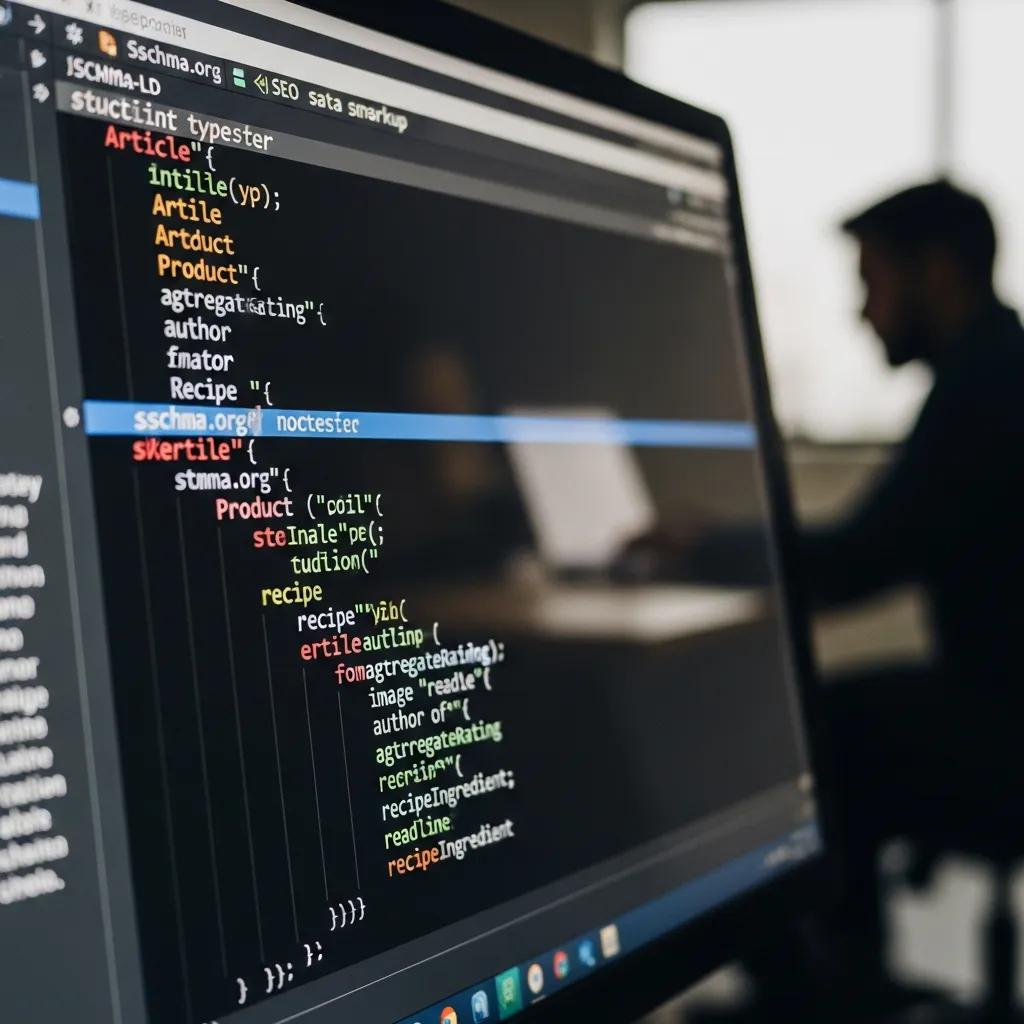
Structured data gives search engines explicit context about your content, which helps AI systems surface it appropriately. Proper schema markup can increase the likelihood of rich snippets, improve indexing accuracy, and make listings more compelling to searchers.
The main benefits include:
- Enhanced rich snippets: Structured data can trigger rich results that provide extra details directly in SERPs.
- Improved indexing: Clear markup helps search engines understand page content and relationships.
- Greater visibility: Pages with correct schema have higher odds of appearing in featured placements and specialized results.
Adding structured data is a practical step to boost AI visibility and click-through performance.
For operational success, maintain a structured-data inventory so each page's schema is tracked, validated, and versioned. Include schema validation in release checklists and monitor Search Console (or equivalent) for warnings. Small errors can prevent rich results from appearing, so automated linting and periodic audits reduce risk and keep enhancements working over time.
How does semantic search change SEO practices in 2026?
Semantic search shifts focus from exact keywords to the intent and meaning behind queries. That requires writing that addresses user questions directly, with clear context and well-structured information.
In 2026, semantic search favors content that comprehensively answers user needs and signals topical authority. Marketers should prioritize depth, clarity, and relevance when planning content for semantic rankings.
What role does natural language processing play in semantic SEO?
Natural language processing (NLP) helps search engines parse meaning, context, and intent in queries and content. By using NLP, engines deliver results that better match what users actually want, not just the words they typed.
For marketers, this means writing in natural, conversational language and structuring content to address common questions and related subtopics.
How to implement schema markup for better search understanding?
Implement schema markup effectively with these steps:
- Identify content types: Decide which pages benefit most from schema (articles, products, events, etc.).
- Choose the right schema: Use Schema.org to find the most appropriate type for each content piece.
- Add markup to HTML: Embed the schema into your page HTML so it accurately describes the content.
Following these steps makes it easier for search engines to understand and display your content in enhanced ways.
What AI-powered automation trends are emerging in SEO?
AI is powering several automation trends that change how teams work. Notable shifts include:
- Automated content generation: AI can draft content aligned with user intent and keywords, speeding up production.
- Predictive analytics: Tools forecast trends and traffic potential so teams can act proactively.
- Real-time performance monitoring: AI systems surface issues and opportunities as they occur, enabling faster responses.
These trends let teams scale routine work while focusing human effort on strategy and creativity.
How is AI-driven SEO automation changing organic workflows?
AI automation streamlines repetitive tasks and delivers timely insights, so teams can concentrate on higher-value activities. By automating analysis and routine optimization, organizations move faster and allocate resources where they matter most.
The result is more consistent execution, better use of expertise, and improved SEO outcomes with less manual overhead.
Which predictive analytics tools forecast SEO outcomes in 2026?
Several tools stand out for predicting SEO performance by combining historical data with machine learning models. Examples include:
- Google Analytics: Provides behavioral and traffic insights that feed predictive models.
- SEMrush: Offers forecasting features for keyword performance and traffic potential.
- Ahrefs: Uses backlink and ranking data to model future visibility scenarios.
Using these tools together helps teams build data-backed forecasts and prioritize high-impact opportunities.
Which case studies show AI SEO delivering results in 2026?
Multiple case studies demonstrate measurable gains from AI-driven SEO. For example, an e-commerce brand that used AI to optimize product listings saw significant organic traffic growth within six months. Another agency applied predictive analytics to refine content calendars and reported improved client engagement and conversions.
These examples show how combining AI insights with disciplined execution drives tangible improvements in ranking and traffic.
When reviewing case studies, focus on the change process as much as the outcome: how the team prioritized pages, how optimizations were rolled out, and what validation steps (human review, testing) were used. That context helps you judge whether a published example is relevant to your site scale, vertical, and resource model.
How have businesses raised rankings using AI SEO tools?
Companies improve rankings by using AI tools to identify high-opportunity keywords, optimize page content, and fix technical issues quickly. Startups that focused AI analysis on competitive gaps often saw fast gains in visibility, while enterprises use automation to scale consistent optimization across many pages.
Better alignment between content and intent — informed by AI — is a common factor behind successful ranking improvements.
How can marketers prepare content for AI and SEO alignment?
To optimize content for the AI-driven search landscape, focus on quality, structure, and intent alignment. Practical steps include:
- Keyword research: Use AI tools to surface relevant terms and query variations that match user intent.
- Content structuring: Break content into clear sections with headings, lists, and visuals to improve readability and scannability.
- Align with user intent: Craft content that directly answers common questions and solves user problems.
These approaches help content perform better across both traditional and AI-enhanced search features.
Operationally, add editorial controls to any AI-assisted workflow: require a human-written brief, a clear review pass for factual accuracy, and a post-publish audit window to monitor performance. That mix preserves editorial standards while leveraging AI for ideation and scale.
Which semantic keyword expansions improve AI-optimized content?
Semantic keyword strategies broaden relevance by including related terms and context. Effective tactics include:
- Use synonyms: Add natural variations of target keywords to capture a wider set of queries.
- Long-tail keywords: Target specific, intent-driven phrases that reveal clear user needs.
- Contextual phrases: Include supporting phrases and topics that show topical depth and relevance.
These expansions make content more useful to both users and semantic search systems.
How to format content for featured snippets and PAA entries?
Optimize for featured snippets and People Also Ask with a clear, structured approach:
- Direct answers: Lead with concise answers to common questions within the first sentences.
- Use lists and tables: Present step-by-step instructions or comparisons in list or table form for easy consumption.
- Optimize headings: Use descriptive headings that reflect likely user queries so search engines can find relevant snippets.
These techniques increase the likelihood your content is pulled into prominent SERP features.
What are best practices for structured data in 2026 SEO?
To get the most from structured data, follow these best practices:
- Choose relevant schema types: Apply schemas that accurately describe the page content (articles, products, events, etc.).
- Validate markup: Use tools like Google's Structured Data Testing Tool to check for errors.
- Monitor performance: Track how structured data affects impressions, CTRs, and rich result appearances, and iterate as needed.
Consistent, correct schema helps search engines present your content more effectively.
Which Schema.org types help AI SEO tools and content perform best?
These Schema.org types are especially helpful for supporting AI-aware search features:
- Article: Ideal for blog posts and news to give search engines context about the piece.
- Product: Useful for e-commerce pages to surface pricing, availability, and specs.
- Event: Excellent for promoting time-bound activities with date and location details.
Choosing the right type increases the odds of appearing in rich results that drive clicks.
How to add JSON-LD so search engines understand your content?
Embed JSON-LD effectively with these steps:
- Create the JSON-LD script: Build a JSON-LD block that accurately models the page using appropriate schema types.
- Place it in HTML: Insert the JSON-LD inside the <head> section so crawlers can find it easily.
- Test for errors: Validate the script with Google's Structured Data Testing Tool to ensure it's error-free.
Proper JSON-LD improves how search engines interpret your pages and helps unlock enhanced search features.
After deployment, make JSON-LD maintenance part of your content lifecycle: update structured fields when content changes, watch Search Console for warnings, and include schema checks in CI/CD or release pipelines. These small process changes keep rich results current and prevent regressions when pages are edited or templates are updated.
Ready to Boost Your AI-Driven SEO?
At Algorythm Studio, we help brands optimize for the AI-powered search landscape — strategy, content, and technical SEO, all designed to improve visibility in 2026.
Book a Free Strategy Call